by Ruby Taylor | Feb 6, 2026 | Forage of the Month
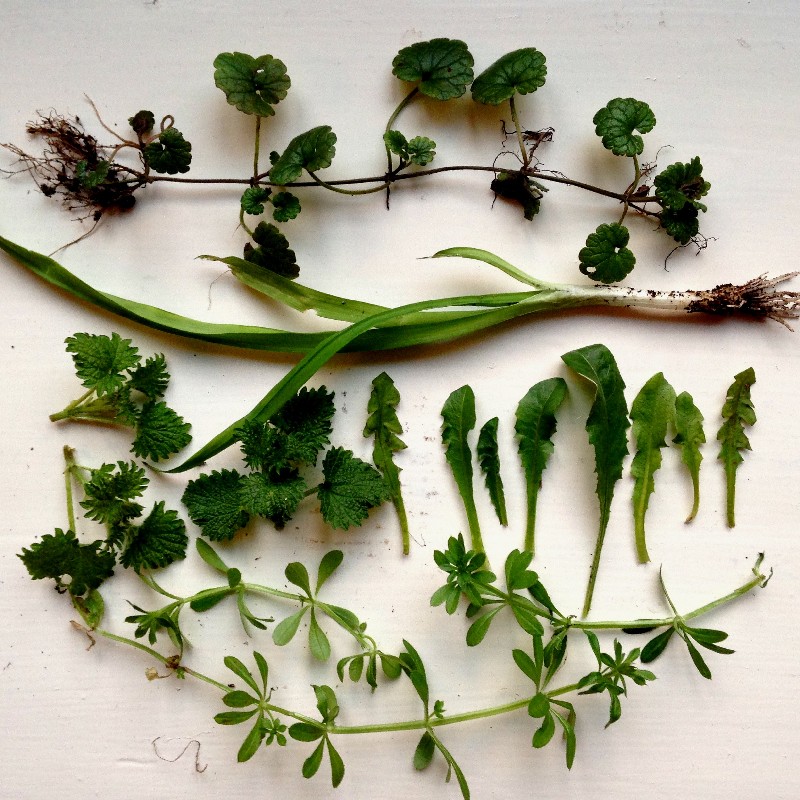
Late winter wild greeens There are a surprising number of tasty wild greens to forage in these late winter months. Here are some that grow plentifully around most gardens / allotments. Many of them are best eaten raw in salad, but a couple are good for cooking or...
by Ruby Taylor | Nov 10, 2025 | Forage of the Month
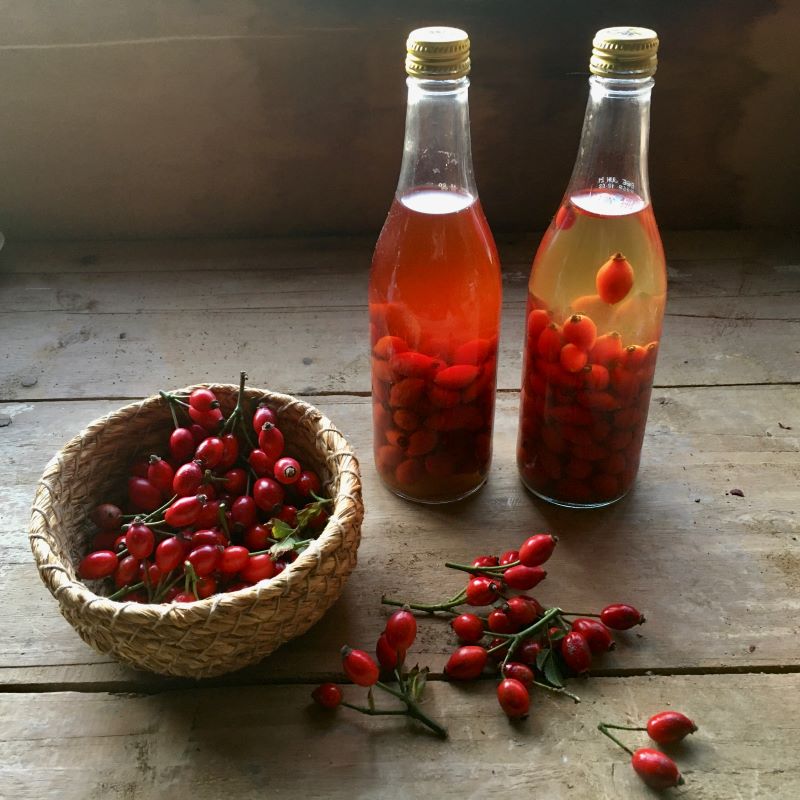
Rosehip Vinegar This is a favourite, super-easy recipe. It comes from ‘Hedgerow Medicine’ by friends Julie and Matthew Bruton-Seal. You can easily find recipes for rose hip syrup… but if you want to preserve their goodness without using sugar this is...
by Ruby Taylor | Feb 2, 2025 | Forage of the Month
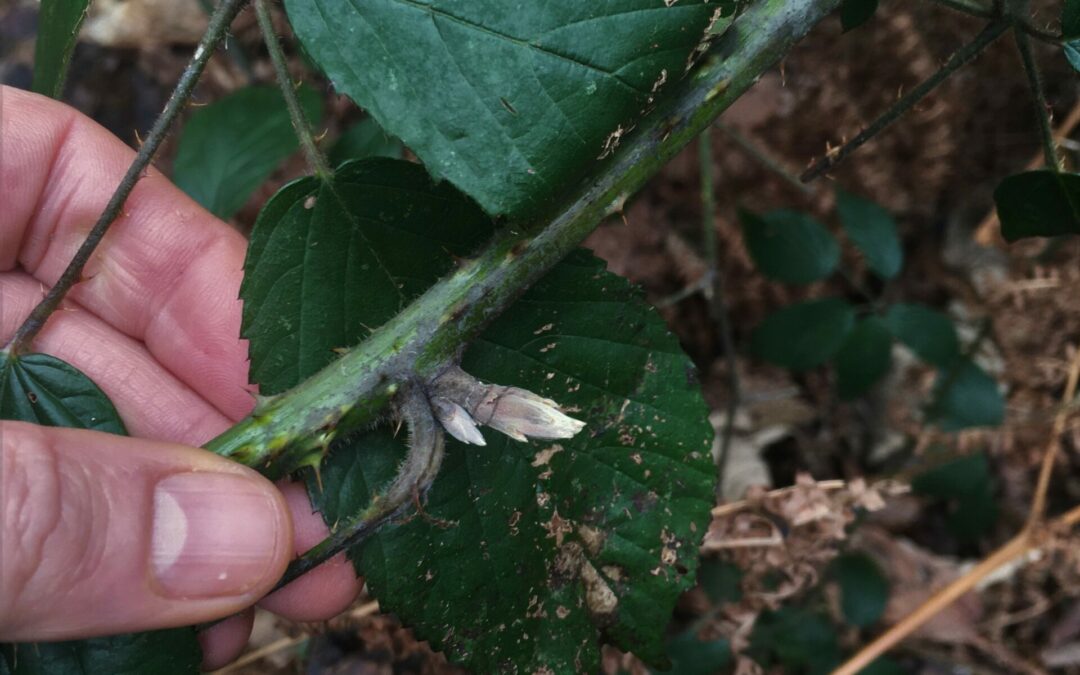
Bramble Tips Lots of us know bramble as the blackberry bush, the one that gives us those delicious autumnal berries that stain our fingers and tongues. Bramble plants are vigorous and plentiful in their growing habit, and the hardiness of the plant means it has a...
by Ruby Taylor | Aug 7, 2024 | Forage of the Month
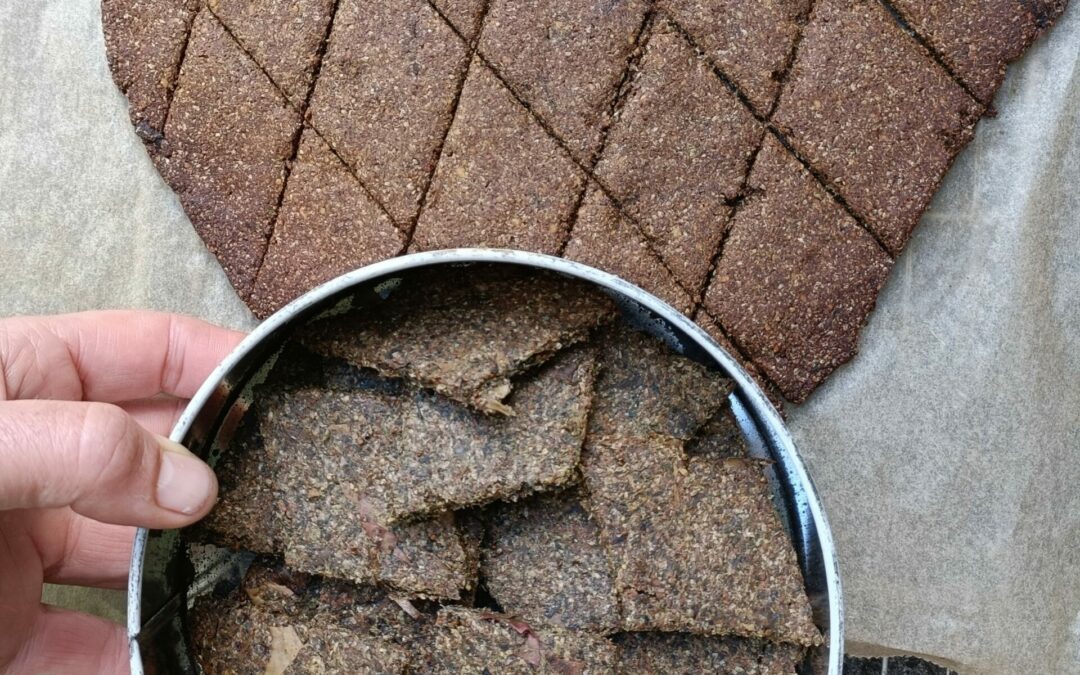
Pendulous Sedge Crackers. These taste delicious and are easy to make. I experimentd to create a savoury and a sweet version, and my recipes are inspired by Mo Wilde and Pascal Bauder. Pendulous sedge (Carex pendula), also known as weeping sedge, is native to the UK...
by Ruby Taylor | Oct 9, 2023 | Forage of the Month
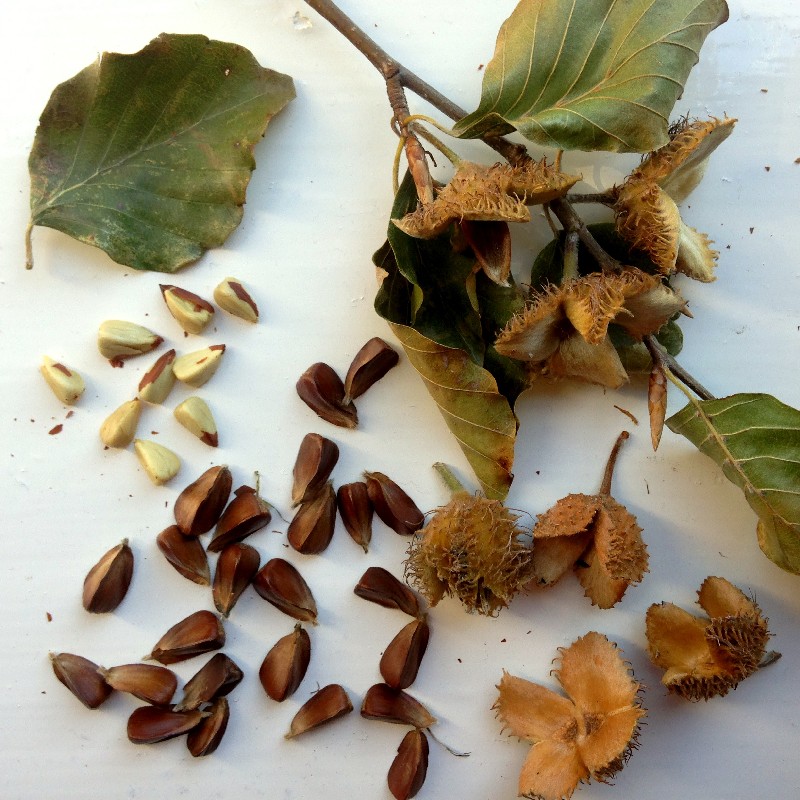
Beech Nuts. Beech trees are beautiful for so many reasons. Where I grew up, near the Chilterns in South Oxfordshire, we roamed in beech woods during bluebell season, and in the autumn when their fallen leaves glow copper. For other creatures and plants, beech...
by Ruby Taylor | Jun 6, 2023 | Forage of the Month
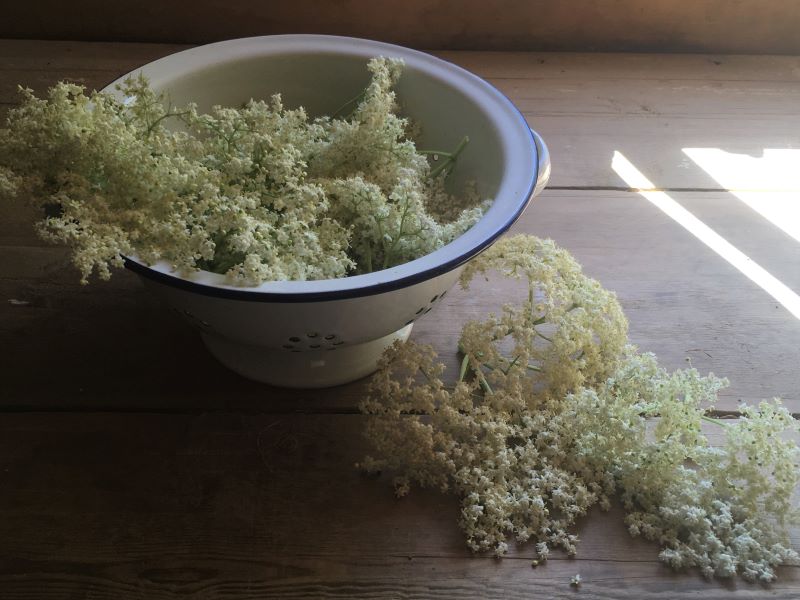
Elderflower Fritters Pick your elderflowers on a calm, sunny day when the buds are freshly open, before the petals brown around the edges. This is when they’re most flavoursome. Lightly shake them to release any small insects, then snip off the larger stalks....