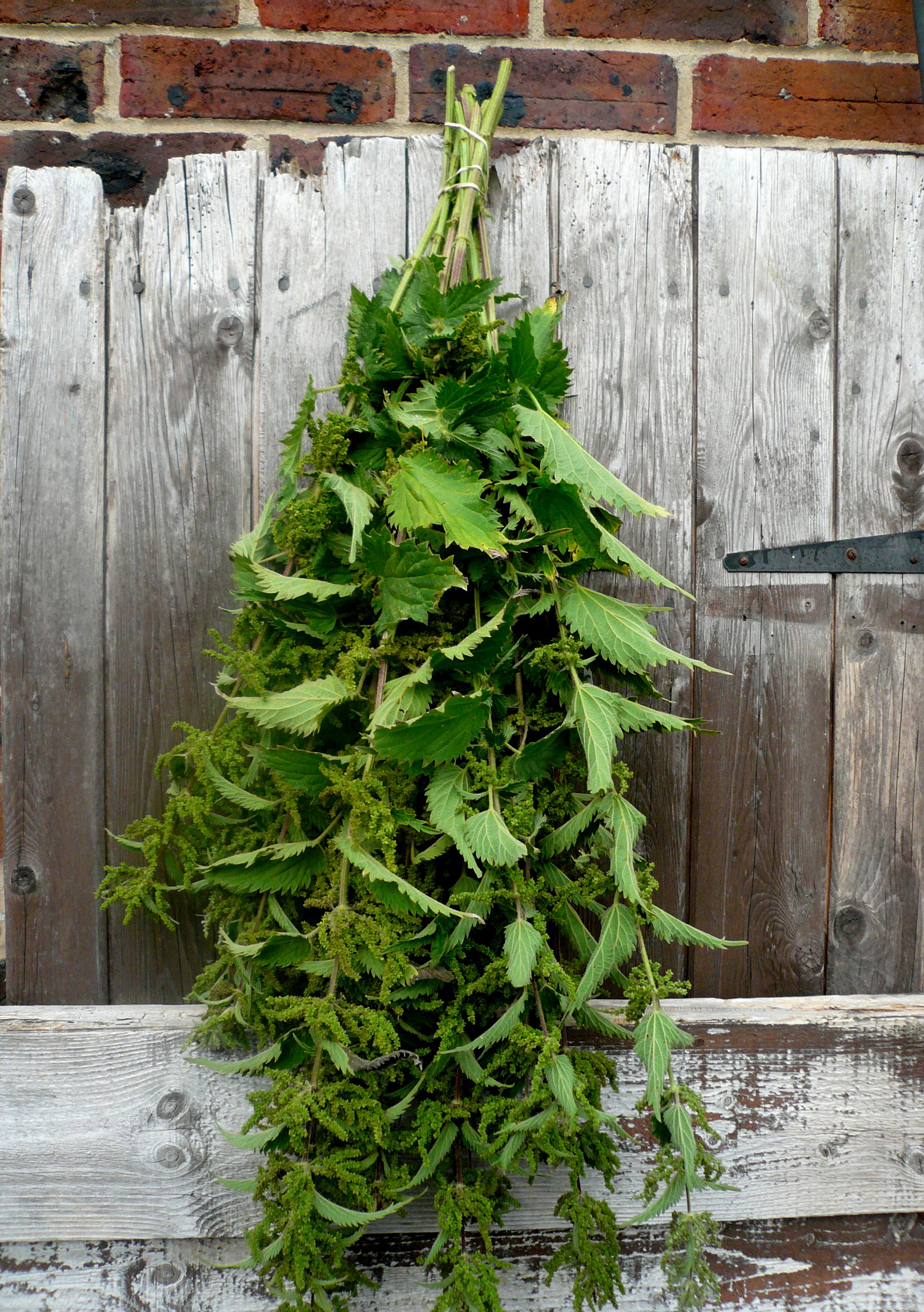
Sloe Berry Curd.
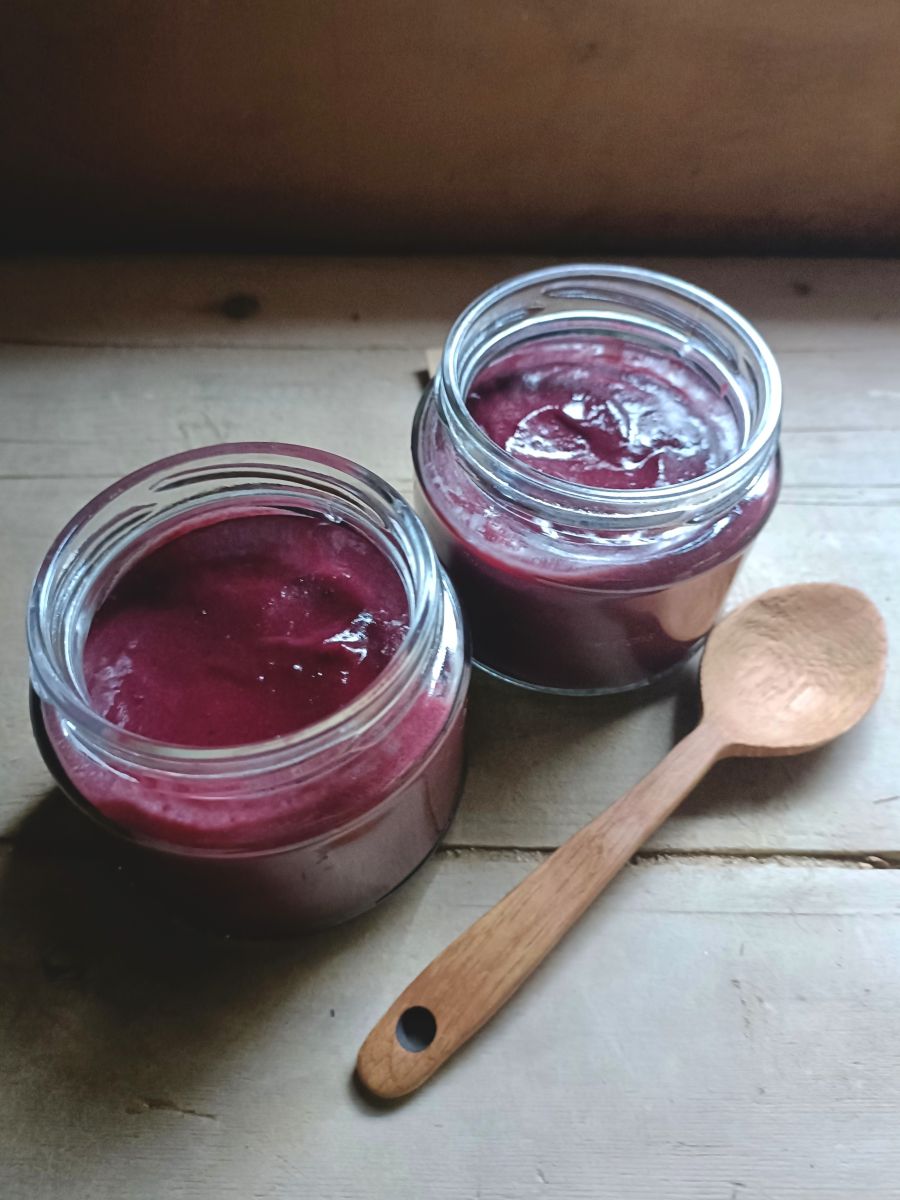
I recently discovered this delicious recipe, while searching for an alternative to sloe gin.
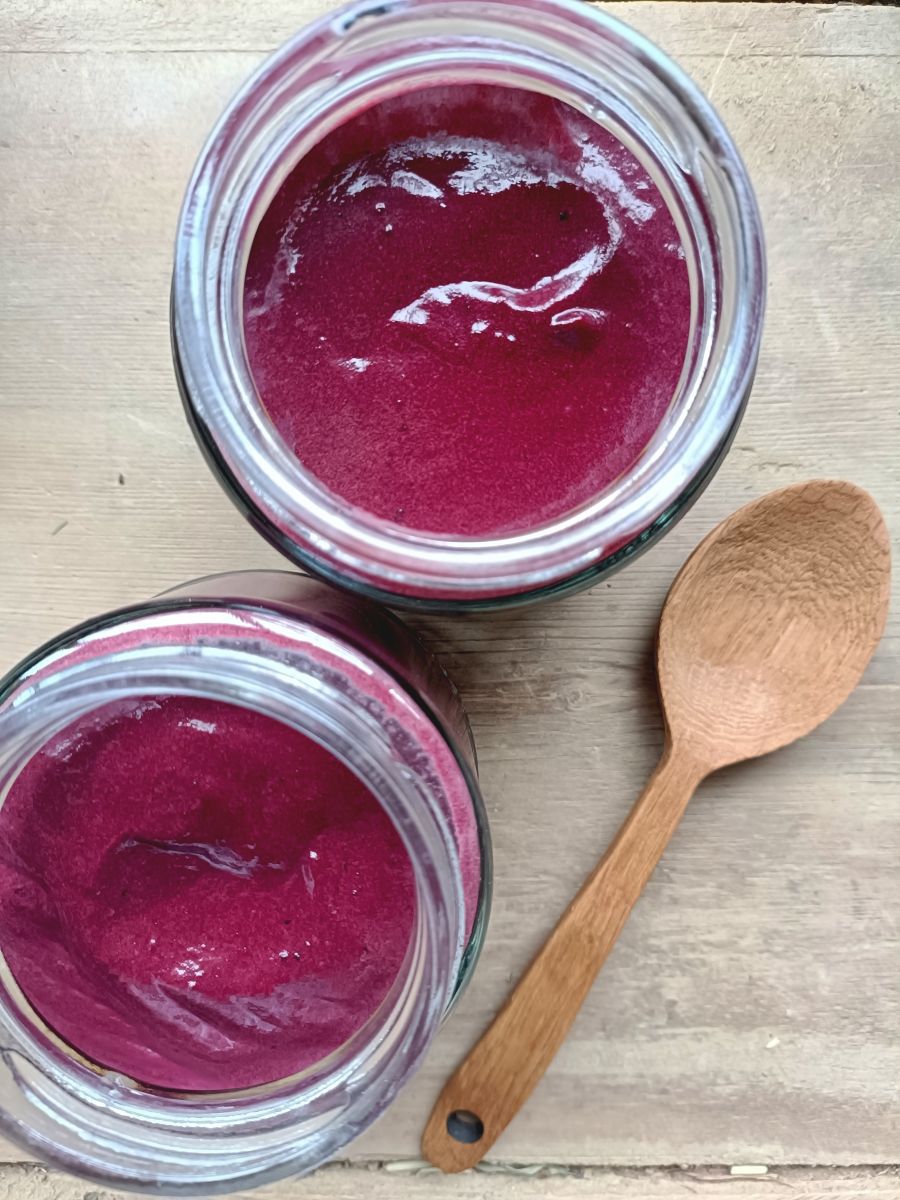
It's a creamy fruit curd with a beautiful, vibrant plum colour. It makes a fabulous filling for pies and cakes and is also delicious spread on toast or stirred into yoghurt.
This is a quick and easy recipe that produces a moreish, delicate preserve. I've adapted it from a recipe by the folk at foragefield.com, adding more fruit and less sugar.
Sloes
Sloe berries are the fruit of the native Blackthorn shrub (Prunus Spinosa). It's a member of the plum family and is pretty widespread in hedgerows.
A key identifying feature is its long sharp spikes.
In the early spring, their small white flowers come out before their leaves. This flowering is often called Blackthorn winter as it usually coincides with a chilly, windy spell.
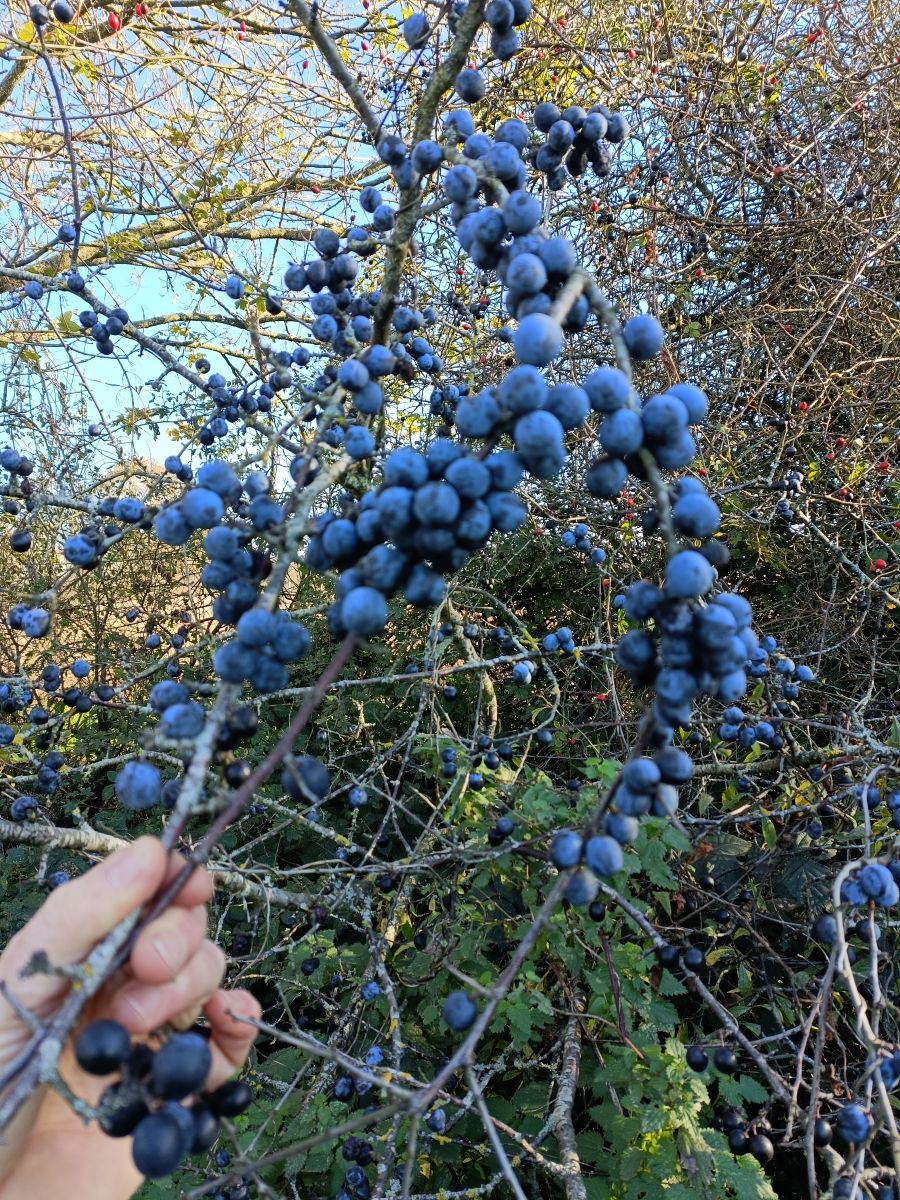
The berries have a bloom to them and are like purple jewels on the bare winter branches. Highly astringent, if you've ever tried eating one raw, it's an experience you'll never forget.
My Dad was always a keen maker of sloe gin and knew that the best time to harvest the berries is after the first frost, which sweetens them. Each November we'd head down to the river meadow where the best shrubs were.
Harvesting sloes
Make sure you have correctly identified the fruit / shrub. Avoid harvesting from shrubs that are near roads or farm fields, as they may be polluted.
Pick no more than 30% of the berries on any plant, even if they are plentiful.
Take a moment to give thanks for the fruits and the goodness they offer, and leave a gift in reciprocity (if that's a new idea to you, this short video of Robin Wall Kimmerer beautifully explains the Honourable Harvest. Even if it's not new to you it's an inspiring watch).
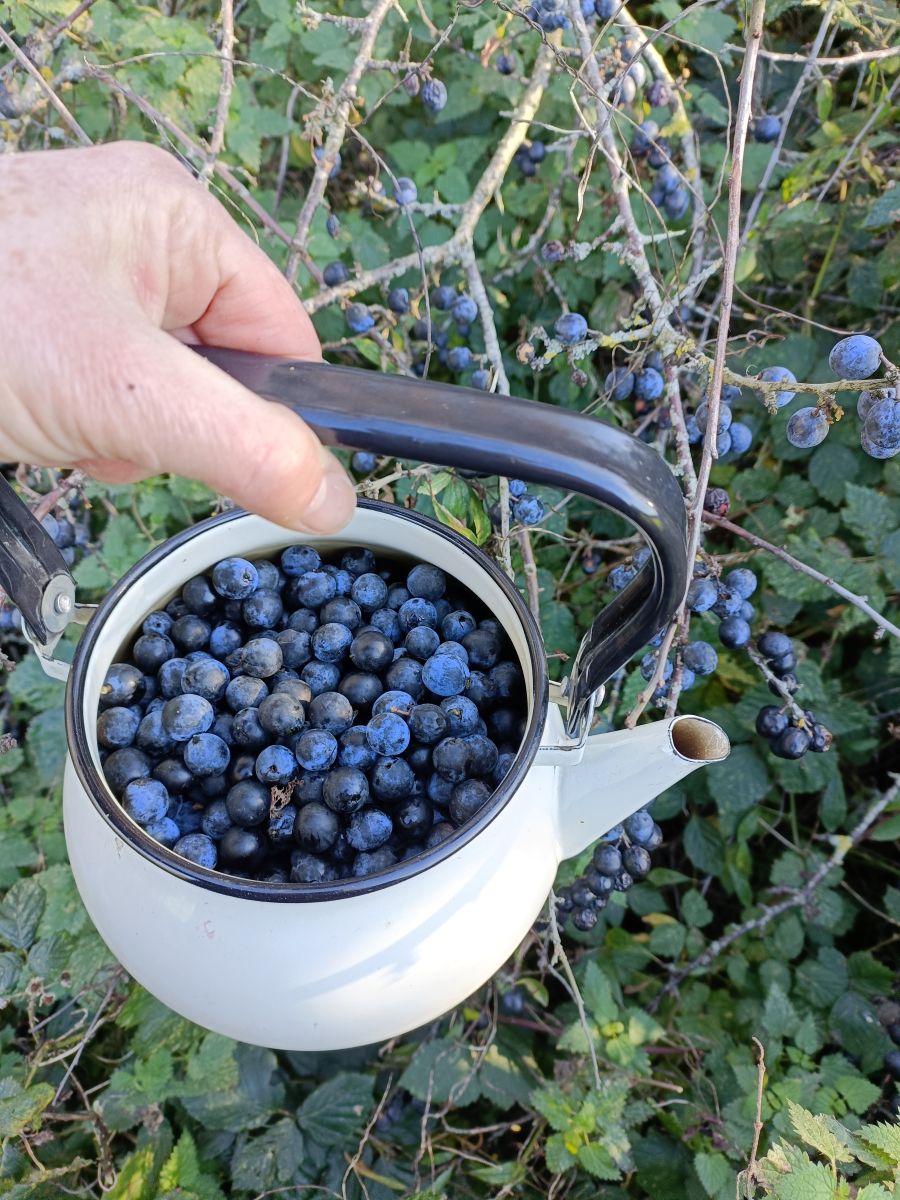
The day I spotted these beauties I didn't have a foraging basket with me, but luckily there was a teapot in the back of the car.
Back at home I popped them in the freezer so I could make the curd at a later date.
Sloe curd recipe
Due to the nature of the ingredients in fruit curds, they have a short shelf life, so they're best made in small batches. This recipe makes approx 350ml of curd (two small jars).
200g sloe berries (frozen or fresh)
One tablespoon lemon juice
Two tablespoons water
200g unrefined sugar
50g butter
Two large eggs beaten well
2 x jars sterlised in a warm oven
Method
Heat the sloe berries, water and lemon juice to a very gentle simmer in a small pan and cook the berries until they split and become soft. This will only take 5-10 minutes. Note: The berries can burn, so keep the heat low and keep a close eye on them.
Once the fruit is soft, you need to extract the puree from the skin and stones. To do this, push the fruit through a sieve using the back of a spoon. This can take a little time. Discard the stones.
Return the sloe berry puree to the saucepan and add the sugar and butter.
Heat the mixture gently until the butter has melted and the sugar has dissolved.
Still over low heat, slowly pour the well-beaten egg into the puree mixture – whisking all the time.
Continue whisking over a gentle heat until the eggs cook and the sloe berry curd thickens. This process should only take a couple of minutes.
Once the sloe curd is thick enough to coat the back of a spoon, pour into the warm sterilised glass jars and seal.
Once cool, the sloe curd should be kept in the fridge and used within two weeks.
Serve on scones, or toast, or with yoghurt. Or use as a cake / tart filling. I've heard that some people have been known to eat it straight from the jar...
Blackthorn butterflies
I often think about where butterflies go in winter. Some overwinter as adults, some as pupae, some as caterpillars and some as tiny eggs.
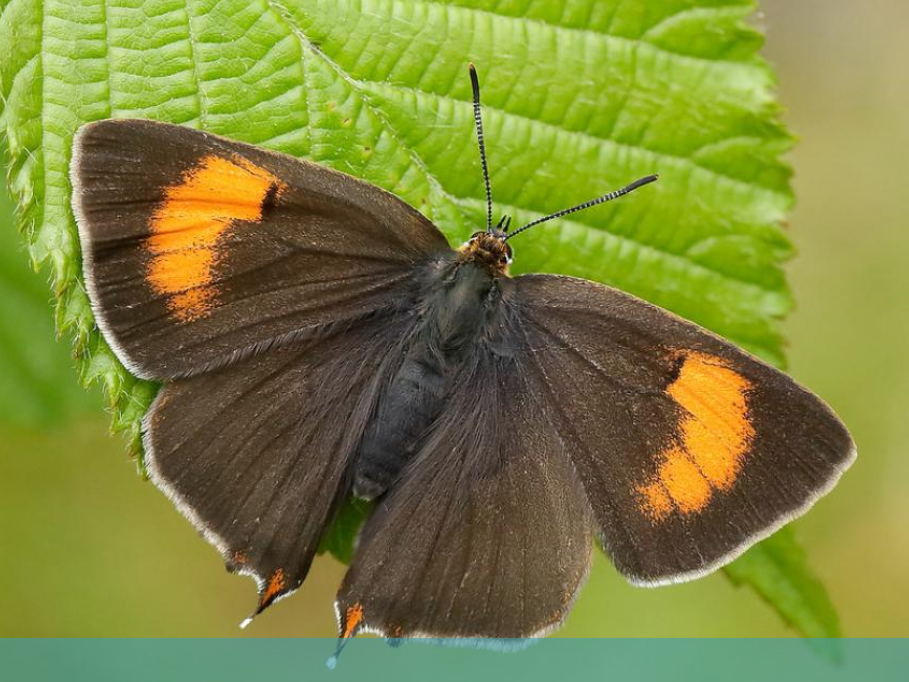
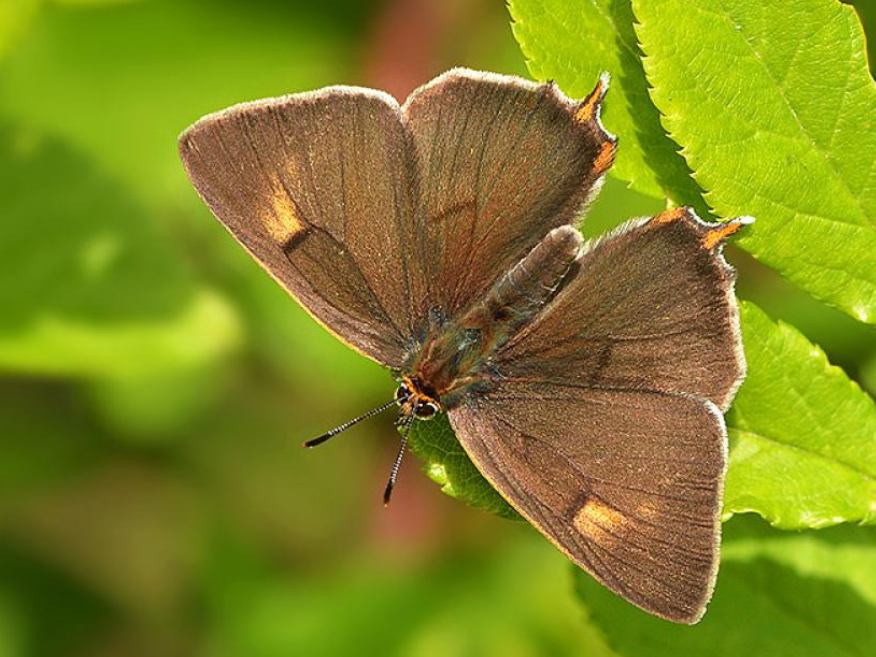
One species that overwinters as an egg is the rare Brown Hairstreak which lays its eggs on blackthorn.
The eggs are nearly always laid in the fork of a branch on young growth not covered in lichen. They're usually to be found 20 – 200cm above ground, on the sunny side of hedges.
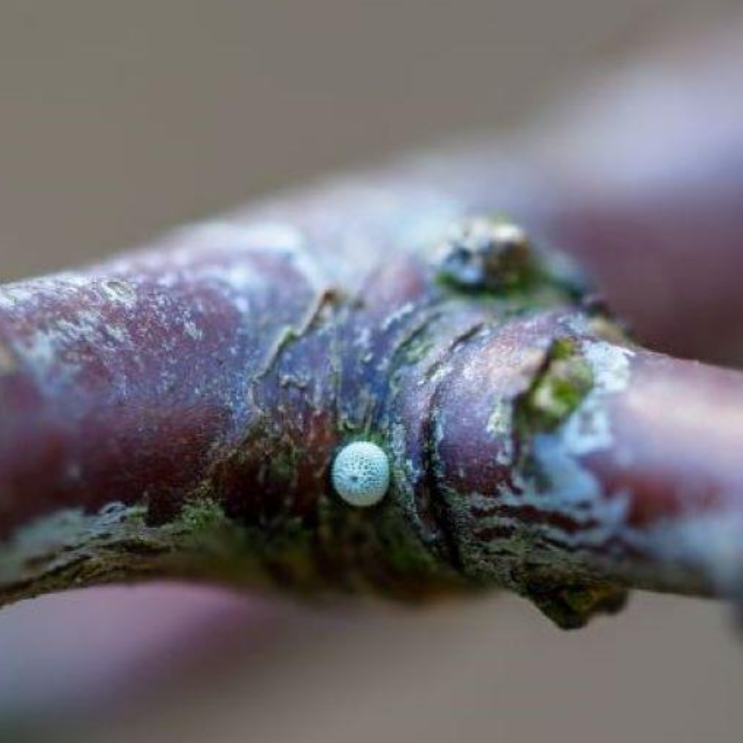
The eggs are tiny, pinhead-sized and white, laid singly or in pairs, and are visible at the same time of year that you're harvesting your berries.
If you’re lucky, you'll see the bright white eggs standing out against the dark twigs and thorns, looking like mini sea-urchin shells with their dimpled surfaces.
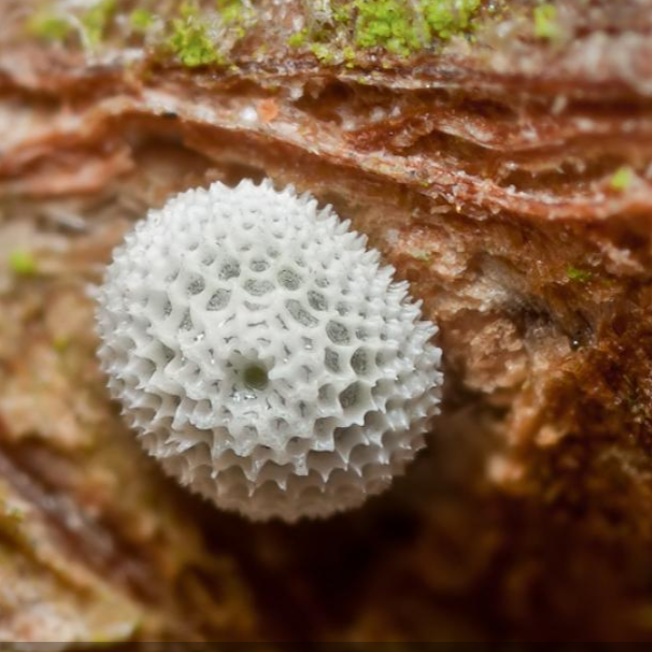
In the spring the caterpillars hatch and feed on the new blackthorn leaves. As adults they're not often seen as they tend to hang out high up in the tree canopy.
You can read more about these butterflies on the Butterfly Conservation page and the Heart of England Forest site where these photos appear.
Below: female Brown Hairstreak butterfly followed by the male.